Pet Training Pads


Pet Training Pads are the best for your pets where you can get rid of your pet's waste problems, as well as they are made of a harmless material that helps to comfort and safety your pet,
Click on the image above and request it now

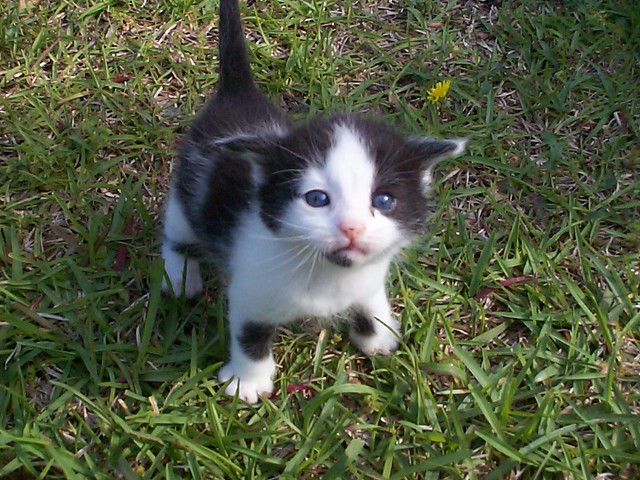
Cat asking to get petted from his owner


How to Breed Cats

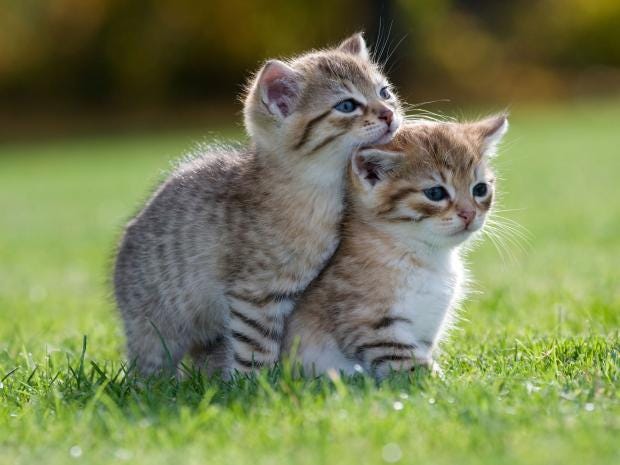
Résultat de recherche d'images pour "cute cat"
Many people like the idea of ​​having kittens running around the house and think it's a good idea to allow your cat at least one shot in the maternity ward. But there are many serious considerations to consider before making this decision, including the fact that cats can be prodigious reproducers if they are left. Can you find suitable houses for these kittens? Can you pay vet bills if something is wrong with mom or one of the kittens? So, while we are here watching how to raise cats, we are also seeing if you are raising your cat.

Should you raise your cat?

Some people buy their cats for the purpose of breeding, especially with purebred cats. There is absolutely nothing about it and, if analyzed financially, a high quality improvement program can generate income and also the pleasure of being part of creating a new life. But there are serious considerations if you have a cat and you plan to raise it.

First, as we mentioned, do you have an outlet for kittens? It may be easier to repatriate or sell purebred cats because each cat breed has its own fanciers who are always looking for new cats or wish to expand into a new breed. If you have a garden variety cat, a moggy, then selling or even giving kittens can be more difficult. It can also lead to pain if it is administered and something terrible happens. Beware of people looking for something for nothing, because sometimes there are those who have hideous ulterior motives.

Second, can you manage all associated costs? Normally, cats do well to be pregnant and give birth without the need of a veterinarian, but there is always the possibility that something goes wrong. If you have to take your mother to the vet or one of the kittens, can you manage the associated costs?

Finally, there is the misconception that a cat must have a litter of kittens before being neutered because it is better for their health. The opposite is true: if a cat is sterilized at a young age, it has a reduced change in cancer and other diseases related to the female reproductive system.

How to raise a cat

Then, after taking these considerations, you have decided that raising your cat is the right thing to do, can face unexpected costs and has buyers lined up for the kittens. So, what is the next step?

From there, we will talk about the breeding of cats because it is more complicated. If you have a cat without a pedigree, then all you need is another suitable cat and, hopefully, nature will run its course. But to raise a purebred cat, there is a little more involved.

All purebred cats will be registered in a cat registry as the Cat Breeders Association. This registry will have an active record for women seeking to reproduce, so it should be on this topic. This is usually done when the cat is bought for the first time.

Cats should not breed until they are adults and adults, and they will also need all of their vaccines before the stallion owner plans to allow one of their cats to marry them. is, certified to show that you will often be asked. Once you find the correct bolt in the record, you will have to wait until the female shows signs that she is entering the season, which differs a little between breeds.

When he is sure that she is ready, he will contact the stallion and arrange a schedule to visit him. Normally, a fee is paid to the owner of the stallion for this and a mating certificate is provided with the pedigree details of the stallion. After visiting the cattery, the cat may still be calling and it is important to make sure you can not escape from the house at this time as other cats may find it and ruin your plans. breeding.

Pregnancy lasts approximately 65 days in cats, so during this time you should read what to do when the birth begins and what your cat will need in the head. Make sure you have a good veterinarian in case something goes wrong or you worry about something during pregnancy.

Cute Animals For Life

Animals, pets, do not we all like them? Nowadays, more people than ever have pets in their own homes, some people even treat their own pets as if they were part of their own family. One thing we like to do in general when we talk about animals and animals is to look at pictures of cute animals. There are many pictures of these cute animals that can really attract attention. When these animals joke or play with children, in the middle of children's games, these little animals can bring a lot of fun and excitement to the game.

These animals can be any animal like dogs, cats or birds, the majority of them are extremely adorable and can truly cooperate well seeing someone between people. We know that the most common animals we have in our homes are cats and dogs, and these can be the most beautiful animals of all. When we have them in our homes, especially two species of the opposite sex, what usually happens is the birth of cute baby animals. Cute little animals tend to bring great emotion and happiness to someone at home. Too bad they grow too fast and soon they are big and strong pets. but when they are small, we like to see them sleep, play with their younger siblings when they have them, and observe the parental instinct of their mothers, who is the most involved when raising a pet. The mother is always there, constantly treating and taking care of her pets.

One of the most important things about having nice animals in our homes or wherever, is care. We must pay close attention to their needs, where they sleep, and be very careful to offer them the most comfortable ways to live their lives, give them clean water and be always close to them. Dogs are the animals that pay the most attention to cats, because dogs are not the kind of animals you can leave in your home. You have to take him for a walk, where he enjoys the fresh air of the morning, since he is another small boy and really enjoys the trip to the fullest. Cats tend to be more lonely, love a little love every once in a while, but they are not as friendly as dogs. When cats want to leave, they usually leave, and sometimes they never return. Sometimes, your cute puppy can leave your house, but returns right away, even if a whole day has passed.

One last opinion for these animals is their food. Be sure to always use protein-rich foods and recommended treats.

Dog and Cat

When I was a kid, my brother and I had a dachshund dog named Milord. He was intelligent, kind, affectionate and cunning. We love him very much and he loved us. He also loved animals and does not offend birds.Résultat de recherche d'images pour "Cute animals"
One day, returning from a walk, in the courtyard of our house we saw a small gray kitten. Milord naked plaintively, we got up and brought home.

At home, Milord did not leave the kitten, licked him like a benevolent mother and lay down beside him. At first, the kitten squinted and feared Milord, but soon calmed down, drank milk and fell asleep slowly. My Lord maintained his dream.

But then they rang the bell. This neighbor was looking for her missing kitten. The child woke up immediately, stretching slightly, yawning, showing white and pointed teeth and a pink tongue. Of course, he was happy to see the hostess, but with all his importance he seemed to show that he was far away and did not return home at all.

It turned out that the kitten was called Marsik. The hostess called Marsik, but he did not even hear. He bowed and asked affectionately if it was time to go home and if he was going to prepare. Kotik hesitated, then mewled in response, jumped skillfully at the owner in his arms, climbed over his shoulder and waved a soft tail.
Résultat de recherche d'images pour "Cute animals"
We thought that Marsik in this way bids farewell to us and to Milord, but that was not the case! From the shoulder of the landlady, he waved one jump to the curtain and hung on the curtain, thereby showing what he was capable of, that he was here well and he did not want to leave our house and his new friend. We all became merry, we laughed. My lord even squealed with joy, whined and ran around in a circle, got up on his hind legs and wagged his tail, showing that he did not want to say goodbye to Marsik.
We also felt sorry to part with Marsik and then we decided to meet in the courtyard every day for a walk.
Early in the morning, Milord was already at the door, inviting us for a walk. Having met with Marsik on the street of joy of both there was no limit!
So, once lost, the kitten found a faithful friend and a real protector, and our Milord learned to love and care for our younger brothers even more.

5 Reasons Why You Should Adopt A Puppy


Reasons to Get a Puppy
Here are 5 reasons why you should really adopt a puppy:
Save a life: by adopting a puppy, you will save a life. It is one of the most sacred actions in a person's life. If you adopt a puppy from an adoption center, you will undoubtedly give him the quality of life he deserves and thus improve his quality of life. Most adoption centers should leave animals alone if they are not adopted. That's why adopting a puppy will save your life.
Profitability: if you think that adopting a puppy will cost you a lot of money, then you're wrong. Most of the time, people buy a pet at local pet stores where puppies are not washed and vaccinated regularly. This is the reason why it costs a lot after buying a pet. But if you get a puppy from an adoption center, you will get a puppy that has been fed and vaccinated accurately. This saves a lot of money for you. So be sure to buy a pet from an adoption agency that has puppies for sale.

You will get a healthy pet: getting puppies for the sale of an adoption agency will not only save you money but will give you a healthy pet. Why? Because adoption agencies always sterilize and sterilize their pets and ensure that puppies are regularly vaccinated. This frees you from worrying about your pet's healthy future. Your puppy will come to you as well as it is supposed to be.

Does not support puppy mills: most of the time, you see advertisements for puppies sold, these are usually the advertisements of puppy mills. Puppy factories are inhumane businesses where puppies are reared on a large scale. These puppy mills collect 100 dogs at a time. And keep them in one place and sell them for your own benefit. This is not only an atrocious act but also damages the health of the puppies. Your health is compromised. That's why buying a dog from adoption agencies will help you protest against these companies by not supporting them.

Variety of puppies: as the adoption agencies of puppies have many pets, you will get varieties of puppies to choose from. You can also choose to buy a pet online because it gives the customer comfort. You can choose your pet by size, sex and age. This allows you to search for the pet according to your comfort.

What To Consider When Adopting A Dog

Adopting a dog is a great commitment. Many people buy puppies, then they realize that they have to be trained to go to the bathroom, they can be destructive and they have to walk several times a day. Puppies can be horrible Christmas gifts for new dog owners because many people are not aware of the responsibility and work they need.

Many puppies go to the kennel because the puppy has had an accident and the owners have not had time to remove the dog and provide the care that the puppies need. The puppies are not well developed, so it is difficult for me to see macroscopic anomalies. I have always met and interacted with the dogs for at least 15 minutes. In the circumstances of being in an adoption situation, a dog could be more nervous than it would ever be in a home forever. Getting a clear reading can be difficult, but sometimes you can get an idea of ​​how you can get along with a dog by spending some time with it.

Dogs are often given away for shocking reasons. People think that adoption dogs are headaches that other people want to eliminate. It could not be beyond the truth. Here are my suggestions before buying a dog:

When you meet a dog for the first time, kneel or stand up, extend your hand (palm up) and call the dog with a soft, soft voice to invite the dog to interact. How does the dog respond? Observe the dog's energy level. It is difficult because under the circumstances, the dog could (understandably) be hyperactive or excited). Does everyone's energy work well? Do they all get along? You would see how the dog interacts with the members of your family, including other pets, other important people ...) and you will see how these people and animals respond to the dog.

Of course, you should always ask people who are in the adoption organization before doing so. The dog can feel overwhelmed if it is bombarded with so many stimuli. As important as observing the adoptive dog's reaction, it is equally important to observe the behavior of these other animals and pets when they encounter the dog. Is the child afraid of the dog and / or does the child know how to be nice to the dog? Is the dog comfortable being handled properly (instead of pulling the tail that is not appropriate)? Does he react with fear or anger? Does the dog's energy level match yours? Is the dog too energetic? The person who is very inactive or unavailable should always make sure that (especially) high energy can get enough exercise. A dog that is calmer or older will probably need less exercise. Can you, a family member or a dog walker, get the dog out long enough to get that energy for exercise? It is not uncommon for a high energy dog ​​that does not exercise enough to be destructive at home. All dogs need exercise to get their energy out of their system. Is there a park nearby? Are you able to exercise the dog in the backyard (not just leave it out, but actively play and throw a ball for at least a few hours a day).

Questions to ask the adoption agency before adopting a dog:

Check the details about dogs with people who have some familiarity with dogs. Ask questions such as: Does the dog have a health problem? What is the background story of the dog? Was it abandoned? Abused? Neglected? Why did he leave? Is the dog afraid or anxious about something you know? Is the dog well with the children? Other pets? Is there a behavior problem that I can address and focus on? Is the niche trained to leave?

Reasons You Should Get a Bed for Your Dog

A dog is a man's best friend, we've all heard that. But this best friend deserves a small personal space. It is not just for convenience, but it has many more benefits. These are some of the benefits.

- Joint and bone cushioning:

When dogs grow, a comfortable place of their own would be very useful. This is especially beneficial in the case of overweight or arthritic dogs. The dog beds would provide additional support and cushioning for the joints.

- Private place:

You can have one or more beds for dogs. In this way, the dog has its own place in the house where they can get privacy. Your dog will love that. We all like privacy; our furry friends also deserve a private place.

- Protection and security:

Dogs can fall asleep anywhere, but is it good for them? They can get cold or sick if the spots they sit on or sleep on are not clean. Having dog beds would ensure that they are well protected and safe.

- Isolation:

Now, how would you feel if you slept in a cold climate without a blanket? You would make a freeze, right? Dogs are hairy, but it is always important that they are warm and comfortable. Dog beds provide isolation for warmth and comfort. This ensures your good health.

- Injury prevention:

It is impossible to prevent dogs from jumping on furniture when they try to find a good place for them. This can often cause injuries. If you have a smaller race, you know how delicate they are. If you have a dog bed, you can avoid any type of injury.

Types of beds for dogs:

Yes, you read it well. There are a variety of beds for dogs. They can be divided into three types.

- Super support beds
- Rest beds
- Nested beds

If you notice that your dogs sleep, this will give you an idea of ​​the type of bed that suits them. Have you ever noticed how dogs sleep on sofas, beds and cushions? They crave comfort. Some dogs like to snuggle, some like to sleep on their stomachs and others like to stretch. These are the clues that will help you decide what type of bed you need. It's time to give your hairy boyfriend a bed that makes him feel comfortable and happy. Have you noticed such clues? Let us know.

Raising a Puppy? 4 Tips for Healthy, Happy Dogs

In addition to being incredible additions to the family, dogs also require a lot of work. They need everything from leash training, healthy diets, to daily walks. For example, did you know that many dogs kept as pets suffer from malnutrition and obesity? In addition, behavior problems such as aggression, barking and chewing or tearing furniture are related to not getting enough exercise.
These problems affect the quality of life, behavior, energy levels and even the longevity of your pet. If you want to make sure that your new family member is as healthy and happy as possible, you should take additional steps to care for your dog.
Developing good habits, socializing your dog and being aware of your diet will help you care for a healthy dog ​​that is comfortable until old age. We have compiled 4 keys to raise a puppy that all dog owners should know.
4 necessities for raising a puppy
Make Regular Visits to the Vet
No matter what breed or age your dog is, regular vet checkups can be life-saving. You probably already know that your dog has to go regularly, but how often depends on their age, medical history, and size.
Here's a general schedule based on age:
0-4 months - every 3 weeks. Your puppy will receive important vaccines against rabies, distemper and parvo, in addition to the prevention of Lyme disease, kennel cough and other health problems.

4-12 months, every 2-3 months. Here, your veterinarian will make sure your puppy grows well and shows no signs of health problems. If that is recommended for your area, your veterinarian will start a heartworm and potato chip prevention program, and your puppy will probably be spayed or neutered.

1-7 years: every year, most dog breeds are considered adults. If you have a large breed of dog, you may have to wait 6 to 12 more months to reach this stage. Your dog should go to the veterinarian for an annual examination, even if he is not sick. They should receive injections of parvo distemper and recall against rabies during the first annual visit, then every 1 to 3 years depending on local laws. Your veterinarian will also recommend changes in diet, additional tests, and heartworm and a deworming program based on your dog and your area.

7 years and over: after 7 years, most dogs are elderly and will require additional care. You should take your dog to the vet at least twice a year, and be especially aware of any changes in behavior that may indicate health problems, such as a change in water consumption.

Prevention is better than a cure for dogs and humans. Do not wait until your dog is sick to invest in preventive measures like vaccination and deworming.

A tip: ask your veterinarian for natural treatments to prevent allergies and cough from the kennel to the vet, and talk about treats and nutritious snacks to keep them healthy.
Invest in Behavioral Training
When you think about the health of your dog, it is common to immediately jump to physical health. However, mental health is so important to your dog. A study by Animal Cognition showed that dogs can feel the emotions of humans, and when exposed to the sweat produced by a fearful human, the dogs showed more signs of distress and sought more comfort from their dogs. owners Alternatively, when exposed to happy human smell samples, dogs were more willing to interact with strangers and, in general, were friendlier.

Training plays an important role in keeping your dog safe and social. A well-trained dog is usually more committed and less bored with its surroundings. The training allows your dog to learn to react in different situations and helps them to stay calm and friendly despite all the triggers as a fearful human nearby.

A well-trained dog is also generally safer because it can tell you to sit instead of crossing the street, teach your dog not to enter dangerous areas and adopt good habits (such as walking) that will improve the health of your dog. the years to come.
Promote a Healthy Diet
Obesity and nutrient deficiency are among the most common health problems in domestic dogs. These problems affect the quality of life and longevity of your dog, but it is an easy solution. Combine quality foods with portion control and an occasional snack, and you'll have a healthy dog.

Do not assume that cheap dog food provides the nutrition your dog needs. Most store-brand dog foods are composed primarily of flour and water with additional nutrients and flavors. These can eventually lead to malnutrition, dental caries, gastrointestinal problems and obesity.

You do not have to choose totally organic or raw meat diets because there is not enough evidence to prove that these foods are good for your dog. Instead, you should invest in high quality dog ​​food with a high percentage of meat. For example, you can feed your dog high quality canned foods, supplemented with quality kibble, and have a healthy dog. Avoid human food because most of the seasonings used are not good for your dogs.

Do not leave the food all day. Puppies should feed 3 to 4 times a day, but adult dogs should only feed twice a day. If you leave your food too long, some dogs tend to overeat, which will eventually lead to weight gain and obesity.

Tip: Pay attention to the snacks you give your dog. Most dog treats are as good as human candies. Instead, opt for nutritious alternatives that your dogs will love so much. For example, dogs 6 months and older can have raw honey for dogs, and not only love them, but they are also excellent for general health, digestion and allergies.

Finally, clean water is an important part of a healthy diet. Clean your dog's water dish and replace it daily, making sure it is always full. To prevent bacteria and tooth decay, place your dog's water away from your plate of food.
Exercise (A Lot)
Dogs need a lot of exercise. No matter the age or race, your dog has a lot of energy. Most dogs, even small ones, can enjoy approximately two hours of walking a day.

Although it is essential to pay attention to their environment (for example, no dog will benefit if forced to run in the middle of the day when it is very hot), dogs need to exercise. If you can plan four 30-minute walks each day, you give your dog the best chance to be healthy, happy and well adapted to live in a house.

Having a dog is a lot of work, but after you and your dog accumulate good habits, it will be much easier to live healthy for both. By taking small steps to keep your dog healthy, he will make sure that his new best friend lives as much as possible.

First Aquarium Fish Hunting

If you have not yet bought your aquarium fish, you are in one of the best moments of the aquarium. Finally you can go buy the fish you dreamed of. However, where do you start? Which fish should I buy first? All these questions come up pretty quickly when you plan your fishing route. I will answer all these questions to help you start your aquarium fish hunting trip.

The first natural question that comes to mind is where to start. My suggestion for you is to find reliable resources, as well as do your own independent research. You can find many successes in the aquarium hobby by consulting a local fish shop owner, looking at online reef blogs, etc., but you also want to do your own research to confirm your findings. . The decision of the fish that you are going to buy is long term, so make sure you feel comfortable with your choices. In your research, you should also consider the size of each fish in relation to the size of your aquarium to make sure you have enough space.

After collecting some information, you want to create a list of fish that you want to put in your aquarium. You must identify the order in which you will present each fish. My biggest suggestion to you, no matter how difficult it is, is to stay on the list and buy a different fish unless you have done additional research. You want to make sure that the fish you buy is a good substitute and is compatible with the other animals in your aquarium.

The next step for you in this process is to complete the list of fish to buy. This list depends largely on the owner of the aquarium, and must be created by you to ensure that you enjoy what is in your aquarium. The suggestions you would provide when creating this list are to carefully consider the size of the fish, its temperament, the compatibility with the reef (will they eat the corals) and the ideal size of the aquarium for your species? You want to make sure you buy a fish that reaches a sustainable size for the size of your aquarium. Make sure that all the fish you buy get along with others in the ecosystem of your aquarium. Some fish species are not as compatible with others, and you want to make sure you identify them in your research. The order in which it presents the fish can be very useful if you intend to buy a very territorial fish. Finally, nothing is worse than buying a fish to realize that they have just eaten their new coral all night. Be sure to buy a fish that is compatible with the reefs, if you are looking for a reef aquarium. I hope these tips help you get started!

4 Things You Should Consider Before Buying a Pet Crayfish

You think you want a pet crayfish? Remember, there are all sorts of things to think about with having this exotic pet.
The Fish Tank
First, you should invest in a fish catch with a water pump and a filter. Also, if you plan to have other fish to accompany your crayfish, you should consider the size of the tank. This is because crabs are aggressive scavengers. They are omnivores who like to eat almost anything. It means your fish too. So, if you plan to have multiple fish, sometimes you will have to buy a larger tank.
Water Changes
Crabs are pretty rustic animals. I mean they can live in any dirt. However, you should make frequent water changes with a pet crayfish. Partly because these animals generate a lot of waste, but also because they can make your tank very ugly and create an unhealthy environment for any other fish in your aquarium. Making regular water changes is not difficult, it is something you should remember to do regularly. Some people do it every week and others do it every two weeks.
The Other Fish
If you do actually decide to put other fish into your fish tank with your pet crayfish, you will have to take into account the fish you select as tank mates. Fish that swim near the top of the tank, are fast and/or are aggressive themselves will be the best tank mates for crayfish. However, there is never any guarantee that a fish will survive living with a crayfish. It's always possible that you may wake up one morning and one of your fish is missing in your tank. It's happened to me before, unfortunately.
A Place to Hide
Crayfish can also fall victim to attacks from other fish, believe it or not. This is most likely to happen when a crayfish molts or when your pet crayfish sheds his exoskeleton. When a crayfish sheds his exoskeleton, he is weak and soft. He's also not too aggressive. Because of this, other fish will sometimes attack him. For this reason, it's very important to have hideouts in your fish tank for when your crayfish molt. Actually, your pet crayfish will like having a hideout anyway. These animals like to burrow and hide often times, when they aren't on the prowl hunting everything in sight. PVC pipe can be used as a hideout for your pet crayfish or you can buy them for cheap online or in most pet stores.

How to Feed and Breed Horses

Horses are herbivores and essentially present a fermentation of the hindgut. Therefore, it is very important to exercise a good horse management on horses to avoid food and feeding. The main features stand out with regard to food.

1. Do not supply protein substances other than nitrogen, such as urea, to horses of all categories, since they can not digest like ruminants.

2. Horses must have a dry matter of at least 1.5% of body weight.

3. Body weight (kg) = chest circumference (cm) * 2.7 for light races

Body weight (kg) = bust (cm) * 3.1 for medium breeds

Body weight (kg) = chest circumference (cm) * 3.5 for heavy breeds

4. The most common concentrated foods given to horses are oats, barley, gram and wheat bran.

5. For green fodder, the best forage is alfalfa (green or hay).

6. For a better utilization and assimilation of nutrients, the entire daily ration can be divided into 4-6 separate meals.

7. Regularity in the diet, avoiding complete feeding before and after exercise and changing the composition of the diet are gradually the most important symbols in the diet of horses.

8. In horses, it is particular that forage is given before the grain. but if the cut forage is available, it can be mixed with grain or concentrate.

9. Group feeding for grain feeding is not recommended.

10. To avoid mineral deficiency, add a mineral mixture of 25-40 g per day with concentrates.

11. A horse (out of work) weighing 400 kg of body weight will probably need 0.38 kg of crude digestible protein (DCP), 20 g of calcium, 20 g of phosphorus and 70 mg of carotene.

12. For medium-sized jobs, 0.86 kg of FAD, 50 g of calcium, 50 g of phosphorus and 135 mg of carotene are required.

13. For heavy work, 1.10 kg of FAD, 60 g of calcium, 60 g of phosphorus and 170 mg of carotene are required.

14. Horses should not be watered for at least 20-30 minutes before and after strenuous exercise.

15. The needs for drinking water are 36 liters per day and can vary according to the seasons, because in summer the demand for water increases.

16. For general practice, it is about providing water before feeding.

17. In the general irrigation program, watering should be done three times a day in summer and twice a day in other seasons.

18. Horses are seasonal polyoesters. The beginning of spring is considered the best reproduction time in India.

19. Puberty is reached at the age of 18 months.

20. Mating should be allowed at the age of 3 years when it reaches 75% of body weight,

21. The heat cycle is 21 days and the duration of the heat is 4 to 6 days.

22. He must multiply 2 to 3 days after the onset of heat symptoms.

23. The tail of the mare must be bandaged and kept clear so as not to interfere during copulation.

24. For breeding, one stallion is enough for 30 to 40 mares.

25. A stallion should be used 5 times per week.

26. The appearance of wax beads on the nipples one or two days before delivery is the most observable observation at the time of delivery.

The Psychology of Successful Dog Bathing

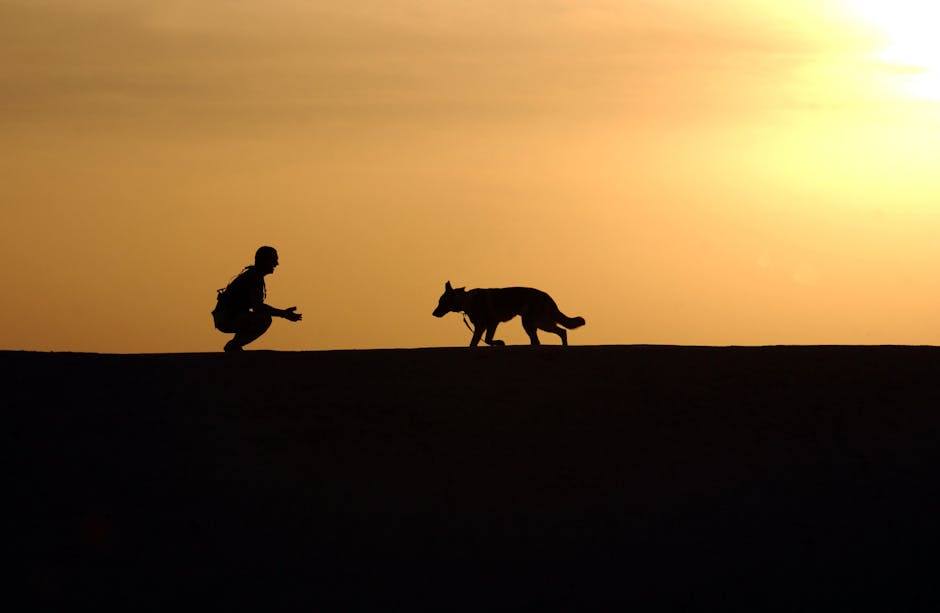
Silhouette Photo of Man an Dog During Sunset
"Can I wash my own dog, can not it be that hard?" These are the words I hear every day when I go to work at Pooch Parlor in northern Idaho. Every time I pass a client through this process, I wonder why in the world something so simple is so difficult to explain.

I run a store for the complete service and preparation and personal care of the dog, and I LOVE! There are dogs and owners of all sizes, all breeds and all the temperaments that use the self-service dog wash. Most owners are enthusiastic, some are afraid and others are arrogant, but no matter who they are or what they do for a living, there is nothing more intimidating for them than washing theirs. dog in public! The idea of ​​doing this can provide even the most self-confident person, the anxiety for performance and for good reason! It is a real test of trust, tolerance and friendship for the person and their companion. And, on a very basic level, it is an honest mirror for the owner, and how he deals with life and conflict. The probability of a successful experience for both depends entirely on the psychological relationship that exists between them, and to a large extent on the ability of both to understand each other's body language. You may be surprised to learn that I have discovered that dogs are supremely better at reading their humans than the humans who read them. It is this relationship between humans and dogs, which is shameless during bath time, and allows me to go to work day after day with a smile on my face.
My clients have been giving dog baths in my stores for more than 10 years, and each year is more entertaining than the previous one when it comes to watching ordinary people wash their own common dogs. The average person who walks through our doors is very successful, which usually means -inteligent- and, because it attracts others, as well as your dog. And, why, they ask me, is this simple task of cleaning your dog so simple? I ask them again and again, "Well, how much do you talk about a dog?" Invariably, his answer is an empty look. Therefore, it is time to ask yourself, "How do you speak good dog?"

There's a lot to be said about the theories that explain why dogs and humans behave the way they do, but I'll go back to the practical things I should look for when bathing your own dog. The conclusion to remember is that your dog's energy and personality traits are a mirror of his. Take this into consideration when you try to put it in the bathtub and make it happy.
1. Decide when to bathe your dog. Times and personality traits: time is important. Look at your own needs regarding when to know how your dog will react. Are you the kind of person who wants to do it all the time? Or do you need to fulfill your day in a systematic and programmed way? How are you doing with the new experiences? Do you find them refreshing and fun, or are you afraid before you feel comfortable with a new activity? Your dog will face the bath experience in the same way that you face life experiences. Remember that your dog will reflect your own personality traits, not necessarily the traits you show the world, but the traits that you really have in you.

a. Fun lovers, extroverts and social humans. If you enjoy physical activity regularly, your dog will too. For this type of person and dog, I suggest you take your dog for an exercise session before bathing. In the city where I work, we are fortunate to have a designated beach on the lake only for dogs and their humans: Dogbeach. There is a long way to run or walk, and there is a large beach for swimming and playing. This is the perfect setting for the time before bathing. The dog can choose to get dirty, run, socialize or simply enjoy the outdoors. In any case, the dog can spend large amounts of energy outdoors in a fun way, such as to let children play before napping. If you like exercise, do something like this with your dog before taking it to your own bathroom or to a professional dog bath. A common fault of the social dog and the owner: just because you are friendly, the outgoing person does not mean that everyone wants to accept your friendly and extroverted gestures. It's hard to understand, I know, but it's true. If you have a very sociable dog (if you are a social person), it is easy to forget that many dogs (like their owners) are not social and do not appreciate the social demands (like sniffing) of others. . Do not forget to respect your space in public or otherwise. Keep your dog subject and under control, even if your dog has the best intentions.
b. Human non-social, active or inactive. If your personality is not conducive to social interaction, I always suggest that you walk your dog or do something that is comfortable in your life and that involves light exercise before bathing your dog. Taking a walk with your dog does wonders to relieve excessive tension or stress for humans and dogs. When getting rid of the stressful energies during a walk, he does not appear during the bath. Exercise is especially important for these humans (I mean dogs), who are very nervous. I recommend giving your dog the valerian root (liquid form) or rescue remedy (liquid or spray) orally 30 minutes before the bath. Both products are natural remedies to calm nervous nerves and work just as well for humans. If time is important in your life, take your dog to a self-service bathing center when there are fewer people, usually early or late in the day. A common failure of the dog and the non-social owner: they communicate poorly within their own species and with other species. Many people who tend to isolation often do so because they have never understood how to communicate effectively in human society. Your dogs usually have the same problem. I have seen many times that aggressive dog owners involuntarily stimulate their dog's unwanted behavior when they think they are doing the opposite. They do so by projecting their disturbing thoughts about the "yes" of a social situation. The dogs of this type of owner act on the interpretations of their dogs on the signals of their human owners. Dogs often take the fears of humans as the demand of their human being, thus creating the behavior of "what to do". Without human intervention and the establishment of limits by the owner (who require advanced communication skills), it is quite common for this type of dog to exhibit increasingly aggressive behavior. Most owners are dismayed by their dog's aggressive behavior, but simply do not have the skills to communicate what behavior they will do and will not allow their dog. I recommend that, if you have a dog that shows increasingly aggressive behaviors, consult a professional behaviorist or dog trainer. Only a few simple tips convey a specific message to a dog that probably misinterprets their expectations.
Linguistic barriers for humans and dogs. Not surprisingly, poor communication between the owner and the dog often happens. If you are a human who discovers that you do not understand why your dog does what he does, remember that you are learning a totally different language and culture. Give yourself time and give your dog time to understand each other. Do not expect your dog to act like a human being, especially during a conflict. It takes time and practice to learn a new human language. It is not a different learning language. We all know how to interpret a human smile in society. When a dog pulls its lips over its teeth, that does not mean it's happy! The human dream of welcoming a new acquaintance sniffing his buttocks? Right! But in puppy, it is the equivalent of shaking hands. A dog that shakes its head to remove the drool from its mouth is no different from a person who smoothes his pants or dusts off his shirt to look more polite. The differences are huge, so give yourself and your dog a break if you hit a communication block wall.

2. Decide where to bathe your dog: there is not much choice when it comes to bathing your dog. A. You can use your own bathroom in the country that does not require human socialization - it lasts on the back, which is very messy, with extended after cleaning, and potentially traumatic for man and dog. B. Take your dog to a self-service dog wash shop - easier on the back, requires basic social skills on the part of the owner and the dog, can be noisy and hairy, does not require cleaning and costs more than the C. Shampooing the dog to a fence and washing it with a hose in the yard (ideally warm and sunny) - not easy on the back, difficult for the dog with cold water, potentially traumatic for nervous dogs but does not require human or canine socialization. D. Wash the dog at the nearest lake - very popular on my land - hard on the back, requires advanced social and human skills, is potentially harmful to the environment, and how you can actually get a dog in the water from the lake?
Regardless of where you wash your dog, consider your own physical limits and the physical limitations of your dog. Is it worth it to demolish your bathroom and hurt your back to wash your dog at home? For the clients I see, the answer is final, no! Emotional demands are often a factor for dogs. For example, (in general) Labrador collectors have no trouble swimming in a lake (even if they are not clean), but often tend to stay in a bathtub with a pointed spray hose. at your address. For a farm dog that has never been far from home, tying them to the fence is a better solution than transporting them to the city and asking them to have good manners in a settlement store or in a populated lake. At least next to the fence, even with cold water, they are comfortable with where they are and what is expected of them.

My vote is, of course, to find a self-service dog washing facility. The equipment is professional and easy to use, the water is hot (most of the time) and dogs usually get treats when they go out the door, which makes them happy campers. So, for those who want to know more about how to wash your dog in a laundry center, you go there:

3. Put your dog in the bathtub and make him stay there! In this grooming store, the average dog that comes in self-service is approximately 100 pounds. All dogs are washed at the waist where they stand on a rack in the bathtub. Putting them in the bathtub can be a trick. It's like asking a human to put on ice skates, stay on the ice and not worry about how to do it. The easiest way for a dog and a human is not to give the dog time to decide whether he wants to or not. (It is not the easiest task for timid or overprotective owners). The owner receives a large chain of scarves or a rope around the neck of the dogs.
Lead: We have the owner drive / pull the dog quickly down the stairs with another person at the other end of the dog to give a quick boost at the tip. The dog is on the grill and in the bathtub before he has decided to worry about it. Once the dog is in the bathtub, the owner hangs them (not something that can be done in the bathtub of his house) to a variety of metal hooks inside the bathtub.

Asphyxia: dogs that are new to taking a bath sometimes turn in the bathtub and pull the shaving chain. We prefer the chain of the choker chain to a common rope because the dog learns quickly with a trapping that he controls whether or not he feels the sensation of choking. In the second, the dog realizes that he is controlling his own suffocation, and realizes that his owner will allow him to learn this (it is very difficult for overprotective types and / or mothers' owners, most of them). us!), the traction behavior stops. With a regular knot of tissue, or one that does not self-regulate, dogs pull and pull and often never learn that they have control over their own traction more than any other behavior while bathing. The owners feel that they are causing injuries directly to their dog and should save them immediately when they hear them coughing and, sometimes, nausea. It is natural to feel worried about your dog's suffocation, but it helps to think that the dog pulls and coughs as if he were placing a child in his crib for a midday nap.
Many young children HATE take a nap and cry loud enough to cough and vomit. If parents save them from their cribs when this happens, they reinforce this coughing behavior for their children. Parents who see tears and cough at a safe distance where the young child can not see them, soon discover that their babies surrender silently to nap without waiting to be rescued each time they make a sound. Naps and baths may not be pleasant at first, but both are essential lifestyle habits. Dogs have the same learning behaviors when it comes to rescue. Owners who react with excessive concern about traction (as the dog is waiting for), or screaming and shouting, discover that they only encourage more raffles and tantrums. of your dog. This point is so crucial that it is worth repeating. The more the owner worries about how dogs behave, the more they will behave. If the owner is calm and without fear, and he projects it to his dog, the dog soon understands that pulling the chain only hurts him, and that the tantrums are a waste of energy. . When the owner believes that everything is fine despite the tugging and tantrums, the dog too, and he stops the unwanted behavior, accepts that today is a bathing day!

Many owners find this part difficult, but try to remember, when you expect your dog to learn to control his own anxiety, he will learn, but he has to WASH IT. The best way to learn to control your own anxiety is to go through the experience of having anxiety and face it. If you are the kind of owner who can not allow your dog to feel this emotion without taking over and stopping the experience, your dog will learn to get into a state of anxiety easier and easier due to the reaction that he can expect from his owner . It becomes overwhelming for the dog and the owner and, as you can see, it becomes a climbing cycle. If you allow your dog to experience this experience of bathing, anxiety and everything else, you will discover that it will calm down and, before you know it, you have a dog that allows you to bathe! And having a clean dog is essential for most dog owners. When your dog calms down, that is, stops pulling on the rope and allows the experience to bathe, it is a good time to express the greatest emotion of happiness through praise and sweets. If you take this time to praise your dog, it will not be long before your dog asks you to wash it with a happy attitude, please, please.

However, as with any rule, there are some exceptions: the elderly, the very young, asthmatics, and dogs with neck or throat problems should be monitored closely if they show excessive traction in the chain.

Ignore or Ignore: Mainly, I recommend owners who simply and discreetly ignore their Protestant dogs to stop (and do), with the only exception being a puppy (like a Yorkie) or an old and fragile dog. Young and old dogs that are not used to bathing can hurt their windpipe or create a medical problem (such as asthma) if their nervous behavior increases. It is in this circumstance that I tell the owners to use a harness to hang dogs in the bathtub or, in the case of a small and wild puppy, that they use a sink or bucket in which they can dive. in warm, soapy water. The puppies are connected to swim and that is what they do if they find their bodies in the water. Swimming is easier to work than a jumping bean. If you choose to ignore the protest of your dog in the bathroom, do not forget to congratulate much when the signs of acceptance of the dog and / or begin to decline.
Drying your dog: Drying a dog depends on the type of hair, the type of temperament and the preparation of the dog experience. If you have a short-haired dog, drying towels is usually sufficient. At the grooming shop, we use high-power dryer suppress thick or double-coated water dogs such as puppies, collies and huskies - and in this case - standard poodles.

Put cotton in the dog's ears before starting because the dryer is strong. Make sure there is a minimum of play in the loop or chain that connects the dog to the bathroom, because the more the dog has room to throw a tantrum, the more space will be used. Put the dryer on the back of the dog and head the dryer from side to head until the water runs over the dog. Most private owners come home with their dogs still dripping with anger factors. This is where the previous information comes into action. Most dogs are nervous at first, but you will soon learn that the air is only strong, not painful. If the owner stays calm, the dog will quickly find that state during the drying process.

There are some other small steps that are given in the grooming store, such as brushing, nail cutting, anal expression, plucking and cleaning the ear, brushing and scaling teeth and more. No matter who you are or what you do in life, your dog's opportunity to have a pleasant experience while bathing depends on the ability of the dog owner to understand their needs for life and society highly. Consider all the factors, your dog's energy reserves - before spending the space where you maximize your chances of success. Consider how much you really know about the dog's tongue. Above all, remember that you, the owner, are in charge, and if your dog is temporarily struggling with a new situation, you should remain calm long enough to allow your dog to understand and accept the experience. It is a curious notion that a human being should delve into the basics of their own psychological needs to give their dog a great bathing experience, but if it does, you and your canine friend will have many happy years of swimming and successful experiences..

How to Prepare Your Dog for Your Newborn Baby

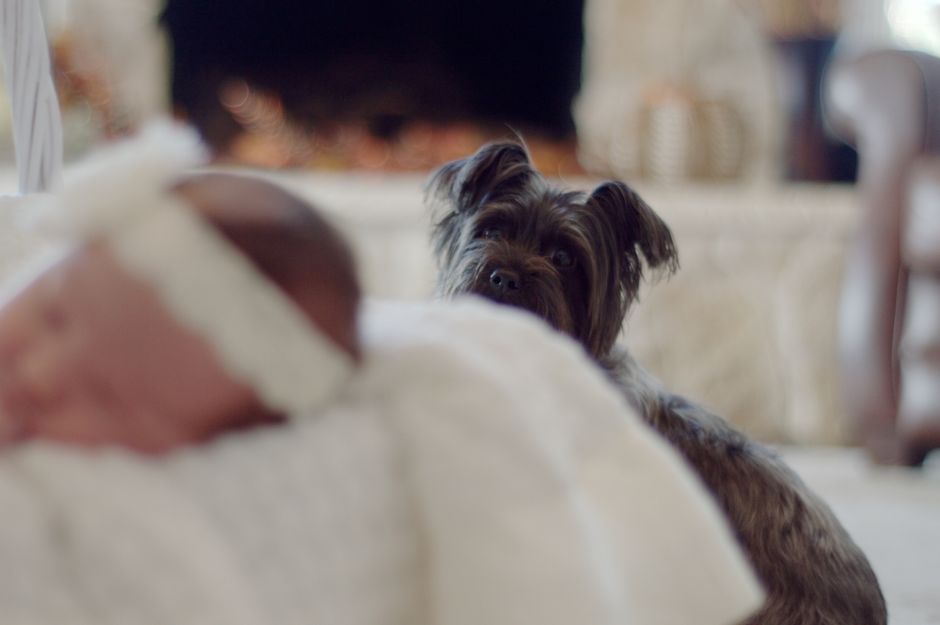
affection, baby girl, beautiful
On the off chance that you resemble a significant part of the populace, your four-legged companion is your first "infant." Many individuals stress unnecessarily over how their canine will deal with an infant in their life. Numerous proprietors consider disposing of the family pets due to fears that they will hurt the infant. Kindly don't do this unless there is no other alternative. Most pooches, when treated and prepared appropriately, can deal with existence with an infant exceptionally well. 

Youngsters and pets make awesome partners when raised legitimately together and instructed how to carry on with each other. Kids that experience childhood in a home with pets learn regard and love for creatures, and all the more significantly, regard forever. As the kids develop more established they can learn duty by watching over the creatures. Creatures advance our and our youngsters' lives bizarre. 

Having an infant can cause issues for the two people and puppies, as the puppy has a tendency to be dealt with in an unexpected way, and along these lines, may act in an unexpected way. A few proprietors child the puppy all the more, making the pooch wind up ruined and difficult to deal with. Different proprietors get over-pushed and rebuff the canine for ordinary, inquisitive conduct toward the infant. Regularly our pets are the focal point of our reality, our "infants" on the off chance that you would, and can get "envious" if not prepared to deal with losing that status to the new infant. On the off chance that you will endeavor to set up your pets for the fresh introduction, everybody can live in agreement. 

Infrequently the puppies end up overprotective of the infant. Numerous proprietors appreciate and very much want the pooch being a watch for the child. While it is typical for the canine to wind up defensive of the infant, it is risky for the puppy to end up overprotective and not let anybody close to the child. The greater part of the above situations can prompt the pooch being kicked out of the house!
As you are influencing arrangements to convey home to infant, you have to set up your dog(s) for the same ahead of time if conceivable. While most mutts will be extremely delicate with the child, numerous puppies don't consider children to be people in light of their size, scent, and the interesting clamors they make. By setting aside the opportunity to give your pooch some additional adoration and consideration he ought to be fine and not swing to awful conduct to stand out enough to be noticed. You have to plan and instruct your pooch for what lies ahead. This will guarantee that they are prepared and willing to acknowledge the new relative with open and adoring paws. 

Utilizing quieting cures (herbs, fragrance based treatment, oils) as well as physician recommended solutions are additionally an alternative to help encourage a superior carried on canine. You can converse with your veterinarian to ask about these items and the suggestions related with their utilization. I am an adherent to the comprehensive approach at whatever point conceivable, rather than utilizing drugs. 

It would be ideal if you please dependably know that your pooch is a creature and creatures can chomp or do damage to an infant, purposefully or inadvertently. Regardless of how all around carried on or adoring your pooch is NEVER LEAVE YOUR DOG ALONE WITH YOUR BABY! I feel compelled to pressure this as much as possible. Mishaps can happen. You would prefer not to hurt your child or need to dispose of your puppy in view of a tragic, and conceivably avoidable, occurrence. 

In the event that you are uncertain that your puppy will acknowledge your new child, please look for the guidance of an expert coach or behaviorist before settling on any choices. 

Trust it or not, your conduct with, and toward your pooch matters. It can represent the deciding moment your pooch's acknowledgment of and regard for your infant. On the off chance that you demonstration like a pioneer, you will be dealt with like a pioneer. You need your puppy to regard each person in your family, including your child. You should educate your pooch regard for the child. This will make life simpler for every one of those included.
Be firm but fair-
Do not let your dog depart with things, however do not be a drill sergeant either! try and build any corrections as mild as doable, however confirm they're effective. try and have a good time together with your dog and also the coaching - you each got to get pleasure from it or neither one can wish to continue!
Your manner of speaking issues 
Try not to YELL at your pooch! Pass on the significance of the order through the manner of speaking - coordinate your voice to what you are telling your puppy. Summons ought to be short and brief, in a low, nearly snarling voice. Your voice ought not get higher as you give the summon. Try not to sing to your puppy or ask the canine an inquiry! You won't find the solution you need! When giving recognition, seem like you would not joke about this! It ought to be the inverse of a summon - higher pitched and energetic. On the off chance that your canine gets excessively energized when you adulate him, tone it down a bit and talk delicately. Your pooch will in any case comprehend that he is completing a great job, yet he will be less inclined to hop around and be insane. 

Be quiet and decisive 

Our puppies sustain off of our energies and feelings. This influences their practices and responses. On the off chance that we are casual and sure, our puppies will feel the same, and realize that we are LEADING them, and they don't need to lead us. 

Utilize a container 

In the event that your canine does not as of now utilize a container, right now is an ideal opportunity to begin. A carton isn't barbarous, it can really be a superb and safe place for your pooch. Keeping your pooch at specific circumstances, for example, for rest or times when you can't manage, is the same than putting your infant in its lodging for the same. It is in reality simple to instruct your puppy to acknowledge being in the box. A great many people surmise that a canine who has not utilized a box before will experience considerable difficulties, however that isn't typically valid. My two more established pooches began utilizing the box when they were 7 and 8 years of age, about the time my child began slithering and investigating alone. This enabled me to realize that both my kid and my canines were protected and nothing terrible could happen. Your kid can be harmed by your pooch as simple as your kid could hurt your canine. The issue lies in the way that if the canine makes even the smallest risk to your child or even unintentionally harms your infant, it is your pooch's blame. It isn't reasonable for the puppy for something to that effect to happen in light of the fact that you were not overseeing the two together constantly! 

Dispose of awful conduct 

Awful behavior can't be acknowledged as they can be hazardous to another infant and another mother. Bouncing and nipping are practices that should be halted immediately. Taking and harsh play likewise should be stopped from the beginning promptly. 

Educate your pooch how to be quiet and delicate, by adulating and treating this conduct. 

Working summons into regular day to day existence and play makes listening simple and typical for your puppy. It winds up normal to the canine and it is more improbable that your puppy will be crazy. It is additionally bravo as well, as it ensures that you are preparing your canine regular, making you the pioneer - not the supporter.

Exercise is key for good conduct 

As I expressed before in the guide, practice is basic for your pooch. This guarantees your pooch will be better acted on the grounds that it doesn't have the vitality to act mischievously! Customary strolls are critical. On the off chance that you don't have room schedule-wise to stroll for miles, utilizing a doggie rucksack can influence a short stroll to appear like a long stroll for your canine. A puppy rucksack instantly puts your pooch into work mode, which will tire her mind. On the off chance that you uniformly adjust some weight on each side, for example, water bottles, it will advance the measure of physical vitality that is exhausted by your canine. Instructing your canine to walk pleasantly by the stroller is likewise essential. It is exceptionally troublesome and hazardous to have a puppy hauling and crazy while attempting to move a stroller. In the event that you intend to utilize a child transporter, sling, knapsack or auto situate your puppy needs to carry on the rope and stroll with you, not pull you. It is a smart thought to hone with the gear before child comes (utilize a doll set up of the infant) so you can work out any wrinkles or issues. 

Have consistent dutifulness sessions with your puppy so she doesn't overlook her charges and recalls that she needs to tune in constantly. This likewise tires her mind! Attempt to work the orders into regular day to day existence so it turns out to be second nature to her. 

Is your canine permitted on your furniture?- 

On the off chance that your puppy is as of now permitted on the furniture you might need to rethink this as your infant will probably be on the furniture a considerable measure. Pooch hair and earth can disturb your child. You likewise would prefer not to need to always tidy up after the puppy. Your puppy could likewise unintentionally harm the child hopping up on the furniture or repositioning himself. It's best to limit access to the furniture with the goal that issues don't happen. 

Time-out for your canine 

Make certain you give your puppy time far from the child to settle. Time outs are a compelling apparatus to enable your canine to keep its rational soundness and furthermore for when they are accomplishing something incorrectly.
Your new calendar and your puppy 

The time has come to straighten out the canine's calendar to familiarize her with the up and coming changes. Contemplate the time you will have for the pooch for things, for example, strolls, encouraging, potty breaks, play and consideration. Attempt to keep the timetable predictable for your canine so she doesn't feel pointless worry from the progressions that are going on before your child arrives. Having as meager disturbances as conceivable will achieve this objective. Once your pooch feels secure and is utilized to the new standard, attempt to begin having slight varieties in your every day happenings. At the point when your infant arrives things don't generally go as arranged. You can have each goal of remaining on plan and unavoidably something will change that calendar! Children don't take after timetables! Do attempt to remain on plan, when conceivable, with the goal that your puppy is permitted some similarity of a schedule. Canines feel security when the guidelines and schedules remain the same. 

Give careful consideration to your puppy 

It is presently time to instruct the pooch to expect less consideration from you in one sitting. Once the child arrives you won't have a similar measure of value time to go through with your puppy, yet it is as yet fundamental to set aside a few minutes for your pooch. Calendar standard 5 to 10 minute sessions every day where you give careful consideration to your pooch. You can do things, for example, play, prepping, petting or simply converse with your pooch. This enables your pooch to comprehend that he is as yet a critical piece of your life. You have to educate the canine that this time might be with or without the child. This is additionally a decent time for you to unwind and loosen up as pets are extremely restorative. Know that on the off chance that you have in excess of one pet, each will require singular consideration if conceivable. You can likewise give the pack the consideration in the meantime, giving they get along, or enable them to play together to consume vitality. 

Your puppy should be quiet and adjusted 

You have to ensure that your puppy is quiet and adjusted before infant comes into the house. It is vital for your pooch to figure out how to be quiet with the goal that he doesn't hurt you or the infant. Your puppy should be adjusted so he doesn't pressure unnecessarily and carry on improperly. In the event that your canine isn't quiet and adjusted there are approaches to enable you to achieve this. Preparing and exercise are great spots to begin to accomplish a quiet and adjusted puppy. On the off chance that these don't work your canine may have a major issue with him, for example, a psychological or physical issue. Counsel with your vet and nearby canine behaviorist or mentor. They ought to have the capacity to guide you the correct way. They can help instruct you with respect to the course you should take, regardless of whether conduct alteration, drug, or comprehensive cures. 

Is your canine delicate?- 

Educating your pooch how to be delicate is critical with the goal that he won't unintentionally hurt the child. Numerous puppies utilize their teeth excessively and should be educated the best possible approach to utilize their mouths - without the teeth! 

Does your canine hop?- 

On the off chance that your canine is a jumper, educating legitimate welcome will check this issue. It is fundamental that your canine can see individuals without bouncing or getting excessively energized. At the point when the child returns home there will most likely be bunches of individuals going by and he should be on his best conduct. It likewise encourages the correct, delicate conduct your canine ought to have around the child. 

In what manner will my pooch handle the infant being unpleasant with her?- 

Instructing your pooch what to physically anticipate from your infant is critical so she can adapt to and comprehend what to do when infant pulls, hits or pushes her. Newborn children and kids are not really delicate by nature, and must be instructed how to be so. Your canine likewise needs to figure out how to manage these practices from his little pioneers. Begin to delicately deal with your canine in a rougher manner while commending great conduct and tenderly, if conceivable, amending improper conduct, for example, nipping or mouthing. Kids tend to pet generally, pull ears and tails, put their hands in the puppy's face and touch delicate zones on the canine. You have to emulate these practices keeping in mind the end goal to educate your pooch what's in store and how to manage it fittingly. Make it a day by day propensity to have time on the floor with your canine touching all aspects of his body in a cherishing style. This is great since it enables the canine to acknowledge touch in territories that it may not need touched. It additionally instructs the pooch to be delicate while on the floor and to be docile to you and your child. Do this gradually and your pooch will get it 

Acquiescence preparing your pooch 

Your pooch should be submission prepared and have essential behavior. I recommend that you select in an instructional course on the off chance that you can. Check your nearby preparing clubs, or offices, for classes and make a point to watch a class so you can perceive how they prepare. Ensure that you are alright with their systems and the teachers. In the event that you are not permitted to watch a class, please look somewhere else. Coaches who are honest to goodness ought to have no issue with this and urge you to do as such.
Here are some commands and basic actions that your dog should be able to do to listen and be under control:

Walk well with a strap
seat
Down
stay
Leave it alone
DO NOT
Understand the limits
silent
Attention / Look
Let it fall
Go to your place / place
Teaching the dog to respond to manual cues will also be beneficial. It is less likely that a sleeping baby will wake up if he does not speak.

It is also a good idea to teach your dog to accept a leash, inside and outside the house. This ensures that you have control over your dog and tends to help the dog behave better. Most cities and towns have laws on the leash, so it is imperative that your dog get used to the leash. You should also walk your dog every day. This gives your dog mental stimulation, as well as physical exercise, which helps to tire them out, which makes them less likely to get into trouble and a better dog to behave in general.
Spot, Go To Your Spot!-
The command "Go to your point" is an excellent order to have in your arsenal a dog with good behavior. You can use this exercise to allow your dog to be with you and not under your feet, or keep your dog away and always know where it is and what it is doing. He teaches his dog to lie on a rug or blanket and stay until they release him.

Extended stays are important in general, whether or not they are "in one place" because they help you maintain control of your dog. Due to the fact that your dog has to work for you, it facilitates a relationship in which you are dominant (responsible character or alpha) in your mind and that of your dog.
Teach your dog what he can chew on-
All dogs chew. Everyone has a specific reason and they have a physical need to chew. They need to chew to exercise their jaws and also to release pent-up frustrations. Excessive chewing can also be a breed trait. To avoid problems, do not control.
Soiling in the house-
If your dog has an accident in the house, or is not equipped, you must clean it properly to avoid other "accidents" or to comment on the same areas and to maintain a sanitary environment. Dog feces can contain parasites and other unwanted diseases. Giardia, E-Coli, other worms and parasites are sometimes present in feces and many are transferable to humans.
Use high-value treats-
Use high-value treats: treat your dog's tastes and do not normally receive them when it comes to new visions, sounds and children's smells. This tells your dog that these are good things, and that he should love them and associate them with rewards, instead of feeling malice or fear for them. Be sure to keep special treats and use them only to familiarize your puppy with what the new baby will be.
The health and cleanliness of your dog is vital-
It is essential that your dog is in good health and clean before taking your baby home. Take your dog to the vet for a checkup to make sure he has no health problems as they can cause unwanted behavior on your dog that will interfere with your life with your baby. Make sure you are up to date in all aspects, or that your degree levels are good, and that you do not have worms.

The next thing you need to make sure is that you bathe your dog or prepare it BEFORE the baby gets home. If your dog is throwing, it is a good idea to start a load removal program, such as regular preparation and the addition of a product like Linatone (which you can buy at your local pet store, online or in some hairdressers). ). combination of oils to help the skin and hair. Be careful not to bathe your dog too much as this can cause skin problems in many dogs. Make sure you do not have fleas or ticks, as it is not healthy and can expose your baby to health problems. This also creates problems because you will not have much time to bathe once the baby is there. The use of special medicines against fleas and ticks will help ensure that it remains free of fleas and ticks.

Begin by teaching your dog to accept its paws and rubbing its body when it comes from outside will help reduce the amount of dirt that remains in the house. It also reduces the risk of your dog having something that could cause an allergic reaction to you or your baby

Also, be sure to vacuum or sweep regularly since the dog's hair quickly accumulates. This is especially important when your baby begins to crawl or be on the floor a lot, unless, of course, you want the baby to be a human Swiffer.
Carry a doll-
The idea of carrying a doll (preferably the one that cries) may seem stupid, but it is a very good way to accustom your dog to an addition to the family. Everything is different with a baby. Holding a baby changes your posture and your manners, so your dog should feel comfortable and accept that. The dog must also follow orders and be obedient when you have the baby or the baby is away from home. Using a doll while practicing daily commands will help your dog respond better when the baby arrives. Take the dog for a walk, play with the dog and all the normal things he does with his dog with and without the baby equipment and the doll.
Baby sounds-
Making your dog use the sounds of a baby is also a good idea. This allows your dog to become familiar with strange noises that you may not have heard before, so it's no surprise when the baby comes home. Things like crying, gurgling, screaming / shouting and babbling are not necessarily normal for a dog to hear. There are many CDs and tapes that you can buy for this purpose. Start with a low volume and expose your dog for short periods early. Gradually increase the volume and playing time of the sounds. Try to read the recording every day until the baby arrives.
Real babies and children-
Another good idea is to expose your dog to the real thing: real babies and children. If you have friends or family members who have babies, you can ask if they allow your dog to listen to them or even record them. You can visit places like parks, if your dog is wise, so that your dog can hear all the noises that children make. Be sure to start away from your home so that your dog does not feel threatened in its own territory. The next step is to expose your dog in your garden and then in your home. Make it a gradual process so that your dog can accept it slowly.
Baby smells-
The smells of a baby are often unknown to a dog. Gradually begin to accustom your dog to these new smells by using the products you will use with your baby, such as baby oil, powders, baby products and diapers. Putting these products in baby blankets and baby clothes will also help. If you have friends or relatives with babies, ask them to borrow used and unwashed blankets and rattan fabrics so that the dog gets used to the real smells of a baby.
The Nursery-
The nursery configuration allows your dog to become familiar with the changes in the house. It allows your dog to feel comfortable with the images and sounds associated with the baby's equipment, thus preventing jolts when the baby arrives.

If you do not want your puppy to be in the nursery, you should start restricting access now. Keeping the door closed or a baby door at the door helps achieve this goal. Your dog will not feel left out or anxious to stop being allowed in this room. Another good idea is to put a dog bed outside the nursery so that your dog is always close to you, but not in the room. You will not feel left out, but you will feel more included. Spend time in the room without your dog so that you understand that it will be normal and that it is no longer your territory. As you begin to understand that the room is no longer yours, you will accept it and be less likely to try to enter when the baby comes home. It also helps keep the room clean and free of dog hair and dirt. You will have more than enough to clean in the children's room as it is!

If you plan to allow your dog at daycare begin teaching appropriate behaviors as soon as possible. Teach her to be calm there and not to jump on furniture and baby equipment. It is also a good idea to teach her to go to daycare so that she is allowed to be with you and the baby, but she is out of the way and behaves well. You can also have a bed or mat that your dog can ask for (remove it when you and the dog are not in the room). When the baby begins to crawl and move, you can limit the time the dog spends and never leave it alone with the dog.
Baby's things are off-limits-
Make sure you constantly reinforce that baby's things are not dog's things. Even if you have practiced this before the baby comes home, dogs need reminders.

It is important to get rid of dirty diapers to make sure your dog does not catch them. Dogs like things that contain human waste, such as dirty diapers and feminine products. Keep these products out of reach, as they will make a terrible mess and are very unhealthy for your dog to eat. They have chemicals that are not good for your dog and can cause blockages. In addition, the consumption of human waste can also make your dog sick (and breathe disgusted!).

Teach your dog to leave baby blankets alone and not to put or step on them. Place them on furniture and on the floor to show your dog that they are off limits. If your dog is trying to walk or lie on them, use a firm "NO" and redirect your dog to a suitable place and ask him to lie down. When your dog avoids them on his own, congratulate him on his good behavior with a treat or hug, and he will understand that these items are not something to approach. You want to prevent your dog from getting hurt when your baby is lying down or hiding under blankets (as babies often do!).
Teach your dog which toys belong to him-
It is recommended to teach your dog which toys are his and what toys are before the baby arrives so there are no problems afterwards. It is also a good idea because you can buy toys similar to those your baby will have and do not worry about using the real toys for these exercises. An easy way to do this is to use peanut butter (or something like cream cheese or cheese spread) and bitter apple (you can buy it online or at pet stores). Put a sour apple on baby toys and peanut butter on dog toys. Before giving your dog the choice of toys he wants, take a small bitter apple on his finger and clean it in his dog's mouth. This will help your dog immediately identify the unpleasant taste in baby toys. If it does not, the bitter apple is often diluted and the dog will be able to obtain the baby's toys because the taste is bearable. Make sure you have treats ready to reward your dog when he chooses his toys instead of the baby ones. Put on the dog's leash and you're ready to start. Place the "marked" toys on the floor and let your dog decide which toys he prefers. If you are still trying to pick up the baby's toys, say "no, leave it" and, if necessary, move it with the strap in an energetic movement. Do not try to hurt the dog, just make a quick correction by repeating "No, leave it". When your dog "leaves" baby toys, rent and treat. You can also teach the dog the concepts of "mine," "baby," and "yours" by adding these phrases to workouts. When the dog looks for its toys, it can say: "Well, when the dog goes for the baby's toys, say:" No, leave it, baby. "You can use the same principle as the one used for the baby's toys. the dog chooses something that belongs to him by substituting "Mine" instead of "Baby".

Remember that if you let your baby's toys hang, your dog will probably try to steal them. The temptation is too big for her and will probably fail. Do not put it at bay! Try to get toys for dogs that do not look like the baby's, without stuffed animals or bumps. There are many good toys for dogs that are very different from baby toys. Finally, keep only some of the dog's toys at a time. This will prevent you from falling prey to the syndrome of "everything within my reach is mine!" If you understand that the three toys in the field are yours, you will be less inclined to take things that you should not do.